
Ten Facts About the Skin and Safe Cosmetic Products
Ten Facts About the Skin and Safe
Cosmetic Products
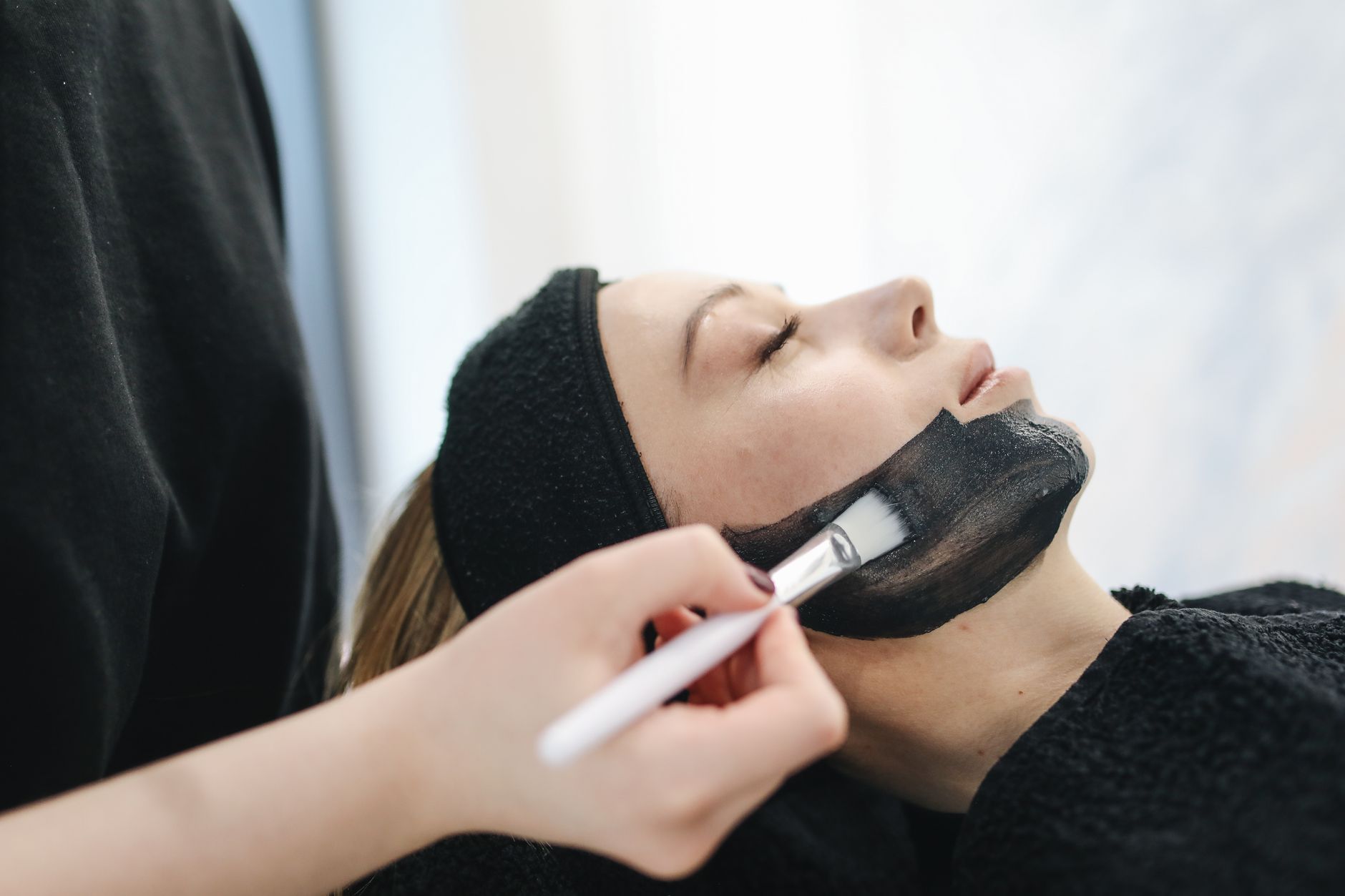
Here are ten facts everyone should know about the skin and how and why the skin should be treated daily with safe cosmetic products.
Here are some additional statistics that are shocking.
- Fact: the skin is that the largest organ of the body;
- Fact: over 70% of what's placed on the skin manages to seep into the body and our bloodstreams;
- Fact: women, on the average , apply over 5 pounds of lotions and creams to their skin annually;
- Fact: there are over 10,500 chemicals wont to manufacture cosmetic products;
- Fact: many of those ingredients are toxic (poisonous);
- Fact: like tobacco, before regulation, nobody currently knows the cumulative effect these toxic ingredients wear an individual when used for decades;
- Fact: a number of these toxic ingredients are directly linked to cancer, birth defects, respiratory problems, liver and renal disorder , and far more;
- Fact: recent clinical studies on pregnant women have shown an equivalent toxins at an equivalent levels are within the bloodstreams of the fetuses and enter through the umbilical cord;
- Fact: the ecu Union (EU) has banned over 1,100 toxic ingredients within the manufacture of safe cosmetic products;
- Fact: the US has banned 10.
Now lets check out a number of this intelligence in greater detail.
Yes, the skin is the largest organ in the body and it is also very porous. In addition, there is direct absorption that is not filtered by the liver or kidneys. It bypasses those organs and the evidence of that is found in patches, like nicotine patches, and other medicinal patches that are so effective. The skin, in fact, becomes the unfiltered gateway into the bloodstream.
Much of what is put on the skin is toxic and although we all know from scientific studies that 50-70% of them can be absorbed by the body, the cosmetics industry claims that tiny exposures to these toxic ingredients do not cause harm. In fact, they claim that it is safe to use toxic chemicals (poisons) linked to cancer, infertility, birth defects and other health problems because the amount in each product is so small. the problem is twofold. no one uses a single product in a single day and no one knows the cumulative effect when these toxic ingredients are used over many years. Just think of the products we use every day, toothpaste, soap, shampoo, deodorants, body lotions, shaving creams, cleansers, moisturisers, and so on. Everyone is therefore exposed to a large number of these toxic chemicals on a daily basis, which can have a long-term negative effect.
Of the 10,500 ingredients in cosmetic products, only 11% are tested for safety, and this is over a 30-year period of self-regulation. The cosmetics industry is self-regulating. There is no agency that tests products, either before or after they are put on the market. What this should tell you is that the industry is not regulated, or a much better term might be self-regulated. And because it is unregulated, 33% of private care products have been found to contain at least one cancer-related chemical. Forty-five per cent contain ingredients that affect a child's reproductive system and development. Sixty per cent of products contain chemicals that disrupt hormones. All this information is available on the Campaign for Safe Cosmetics website.
Here are some additional statistics that are shocking.
Women who use hair dyes have a 50% higher risk of developing non-Hodgkin's lymphoma (the results are often found in a National Cancer Institute study); the FDA published a study on talcum powder and found that of 40 powders tested, 39 contained asbestos, a known carcinogen; for years, cosmetologists have complained of an odd number of headaches, amnesia, breathing problems, nervousness, etc.; 1,884 were toxic; and the FDA found that the number of powders in the study was too small to be of concern:
1,884 were toxic;
2,376 were related to skin and eye irritations;
3,314 could cause biological mutations;
4,778 chemicals associated with acute toxicity;
5,214 could affect the genital system.
There is a chemical called 1,4-dioxane. This is a carcinogen and therefore the Environmental Working Group, an organisation dedicated to protecting the health of consumers and workers by requiring the cosmetics industry to end the use of toxic chemicals linked to cancer, birth defects and other serious health problems, tested and found this toxic chemical in 28% of all skincare products. Taking the study a step further, the EWG survey came up with the following statistics: 1,4-dioxane is present in: :
57% of baby shampoos ;
55% of baby soaps and bubble baths;
43% of all body firming lotions;
37% of all anti-ageing lotions tested;
35% of eye creams.
In addition, every day, babies are exposed to an average of 27 ingredients in skincare products that studies show are not safe for young people. Children are more vulnerable to chemicals than adults. Their skin is 30% thinner than an adult's, and can absorb greater amounts of chemicals.
So what are the risks? How can I make sure I am using safe cosmetic products? A short and succinct answer might be: if you don't drink poison, why would you use it on the most important organ in the body and therefore the recognised gateway to the bloodstream? Why would you subject your baby to the present, knowing that its skin is thinner and more absorbent? These questions could be mentioned because of the layman's logic. But, one might ask, what is the scientific logic behind this and what are the risks? Well, scientists readily admit that they know little or nothing about what repeated exposure to small amounts of poisons in cosmetics can do to the body. However, they do know that in rodent studies, phthalates (synthetic fragrances found in many cosmetic products) cause testicular damage, liver damage and liver cancer. Phthalates are also carcinogenic, allergenic and highly toxic, with a toxicity level of 10, according to the Cosmetic Database, the world's largest database of cosmetic ingredients.
The European Union has banned phthalates, along with more than 1,100 other toxic ingredients, in cosmetic products intended for sale in Europe. The US has banned only 10 in total. The answer is up to the individual consumer, as the government does not regulate this industry. Check the ingredients before you buy and a very simple step that anyone can take is to look at the labels and certification logos on cosmetic products. Do not accept what the manufacturer may claim is a safe natural and/or organic cosmetic product, because no one is watching, and therefore they will make whatever claim they need to make in order to sell more products.
The cosmetic industry is extremely large, over 50 billion dollars and very profitable, and everyone must remember that a very large percentage of the money spent by the manufacturer is spent on packaging and therefore marketing, while a few cents are spent on the goods themselves. To verify this, just compare the packaging of a documented branded product with that of a very organic product.
Finally, be aware and smart, only buy certified organic products to make sure you are using toxin-free cosmetics that are safe for you and your children.

No comments