
"Your clothes are always old." Fashion designers' plan to make you prey to fashion
"Your clothes are always old." Fashion designers' plan to
make you prey to fashion
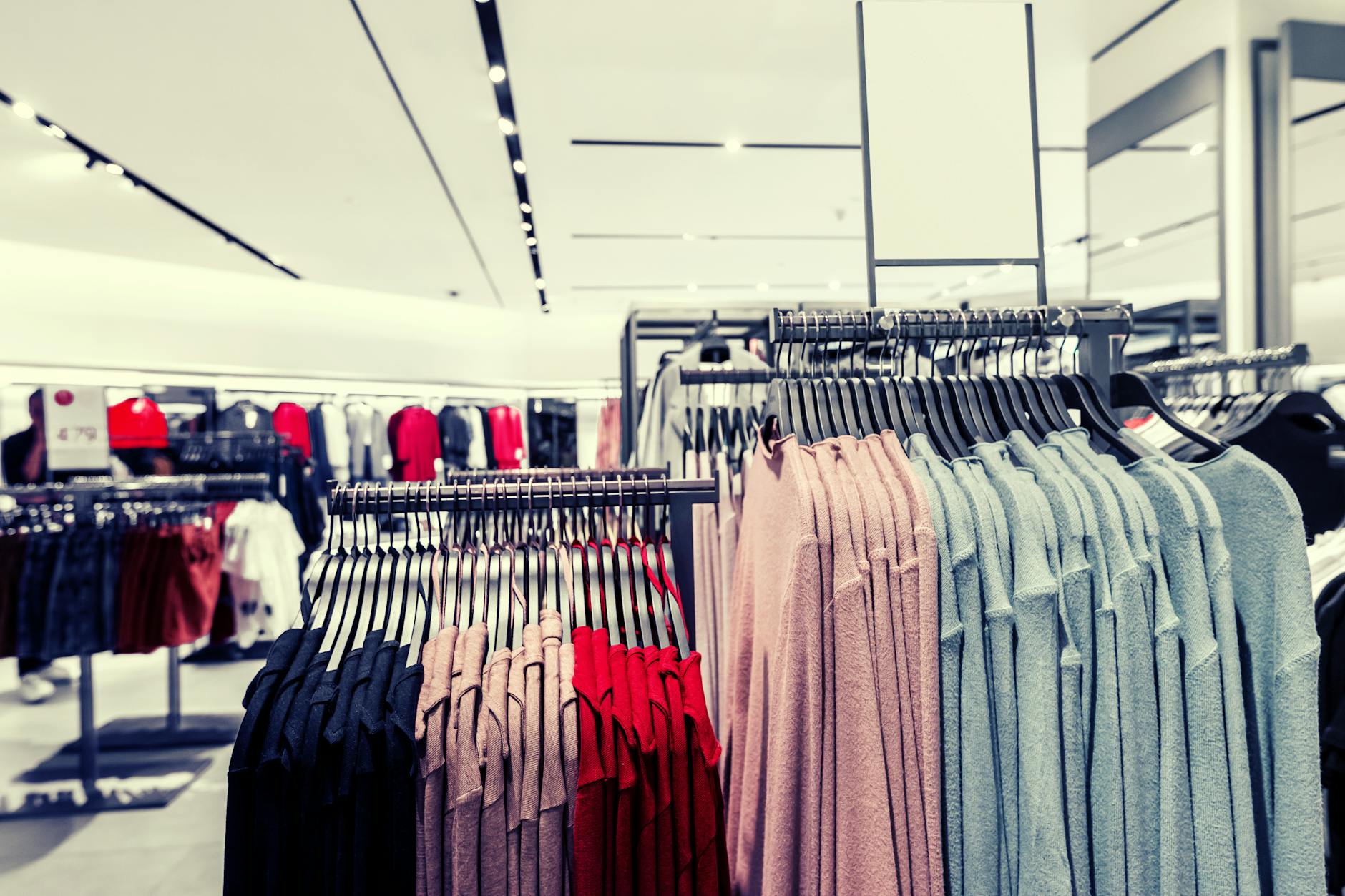
Your wardrobe is filled with dozens of clothes, but you are never satisfied.
You are never satisfied and you try to find more. You spend tons of money every month on new and different pieces, and your conscience blames you for that money, and for turning you into a greedy consumer who keeps buying more.
The time has come for you to avoid blaming yourself. All the blame is not on your shoulders, but it is an idea practiced on you and you because the victim, an idea called "fast fashion".
1-The 'fast fashion' plot
Definitions of fast fashion vary depending on who is responsible for it, who benefits from it, or perhaps who the consumers are, but for you - as a conscious consumer - to understand the extent of this conspiracy, you need to know exactly the context in which this phenomenon has emerged.
The fashion industry continued until the middle of the 20th century with four seasons per year: autumn, winter, spring and summer, according to a published writing on big business, which meant that the designers of high-end fashion houses planned each season in advance.
The industrial revolution cast a shadow over the style industry and, with the acceleration of production, "fast fashion" emerged. Today, fast fashion brands produce about 52 micro-seasons per year, which means a minimum of one "group" per week.
Writer and consumer culture expert Elizabeth Klein confirms that Zara stocks new items every fortnight in its various branches, and today companies like H&M and Forever21 receive daily shipments of the latest pieces. While Topshop stocks around 400 new models per week on its website.
This acceleration of production is designed to make the buyer the prey of the industry's owners, as the daily changing pieces lurk, making them feel that their clothes are always old, that they want to pay constantly and over and over again...
2-Environmental crimes for fashion
The fashion industry is generally guilty of various crimes against people and therefore against the environment, but this is often clearly evident in the fast fashion sector.
Fast fashion uses fashion replication, fast production and low quality materials to present cheap pieces to the general public, which unfortunately leads to negative effects on the environment and other people.
The fashion industry is the second largest polluting industry in the world, and according to France 24, waste from the clothing sector exceeds five million tonnes per year.
According to a report by the services firm McKinsey & Company, the amount of clothing produced annually has doubled since 2000, exceeding 100 billion items for the first time in 2014, or 14 new items for every person on Earth.
According to research by the International Cotton Council for the Environment and thus the Environmental Cotton Corporation, the United States has gained the largest market share of fast fashion, where 88% of American citizens prefer to use fast fashion without reference to the environment, 49% of Italians, 46% of Europeans, 27% of Mexicans and 25% of Indians. And 21% of Chinese are the most environmentally conscious.

No comments